Skip to content

Techno

Home » Hydrant Cart

Hydrant Cart


Notice: Function rest_validate_value_from_schema was called incorrectly. The "type" schema keyword for link can only be one of the built-in types: array, object, string, number, integer, boolean, and null. Please see Debugging in WordPress for more information. (This message was added in version 5.5.0.) in /home/technog1/public_html/wp-includes/functions.php on line 6131

Notice: Function rest_validate_value_from_schema was called incorrectly. The "type" schema keyword for badge_url can only be one of the built-in types: array, object, string, number, integer, boolean, and null. Please see Debugging in WordPress for more information. (This message was added in version 5.5.0.) in /home/technog1/public_html/wp-includes/functions.php on line 6131
Hydrant Cart
Hydrant Cart

Design and Structure

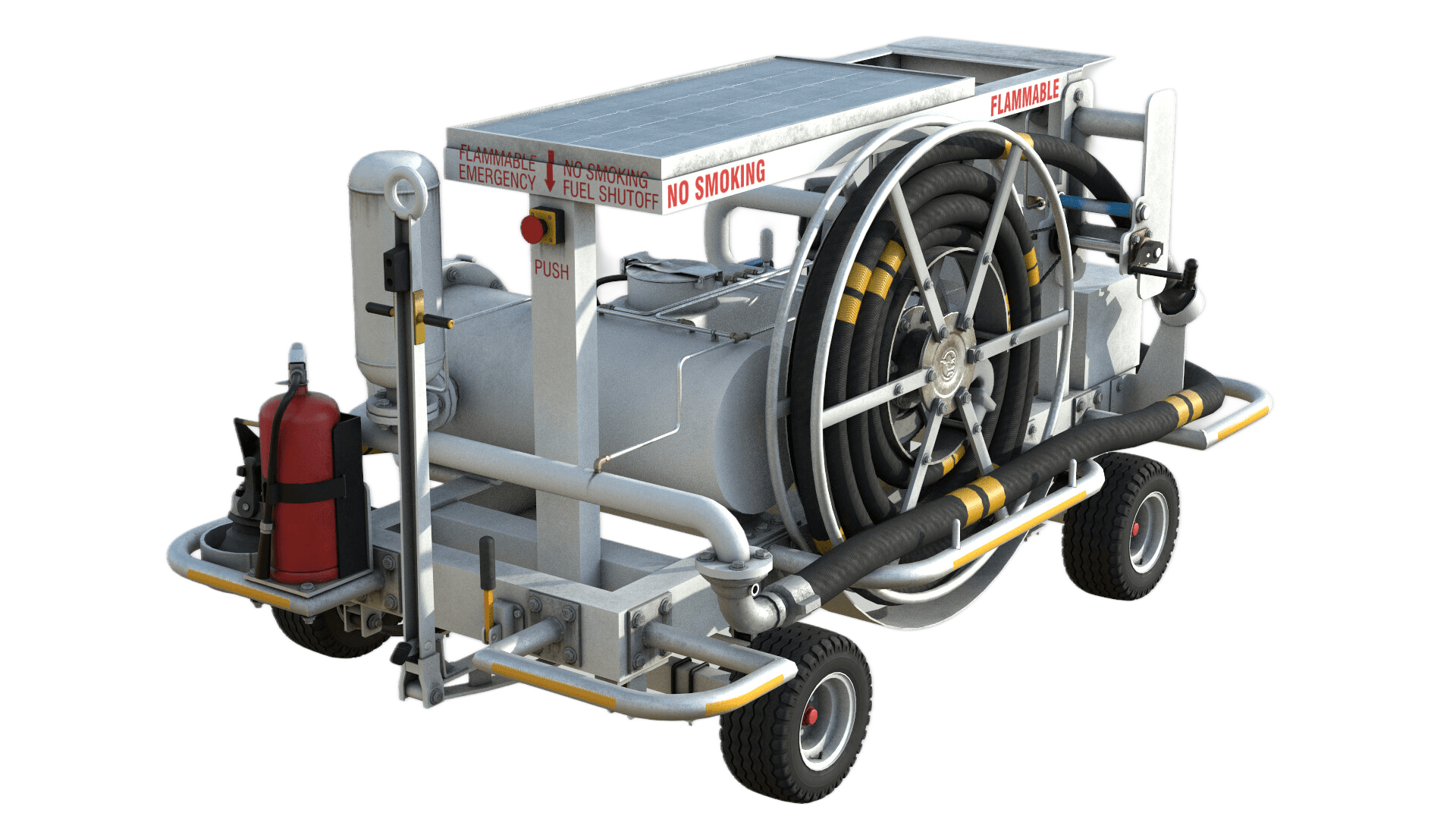
A typical hydrant cart is engineered to meet the stringent requirements of the aviation industry. At its core, it includes an elevating scissor lift platform capable of reaching up to 4 meters. This feature allows the hydrant cart to service a wide range of aircraft, from smaller regional jets to larger wide-body planes. The platform is equipped with safety features, such as railings and anti-slip surfaces, to ensure that refueling personnel can work safely at elevated heights.

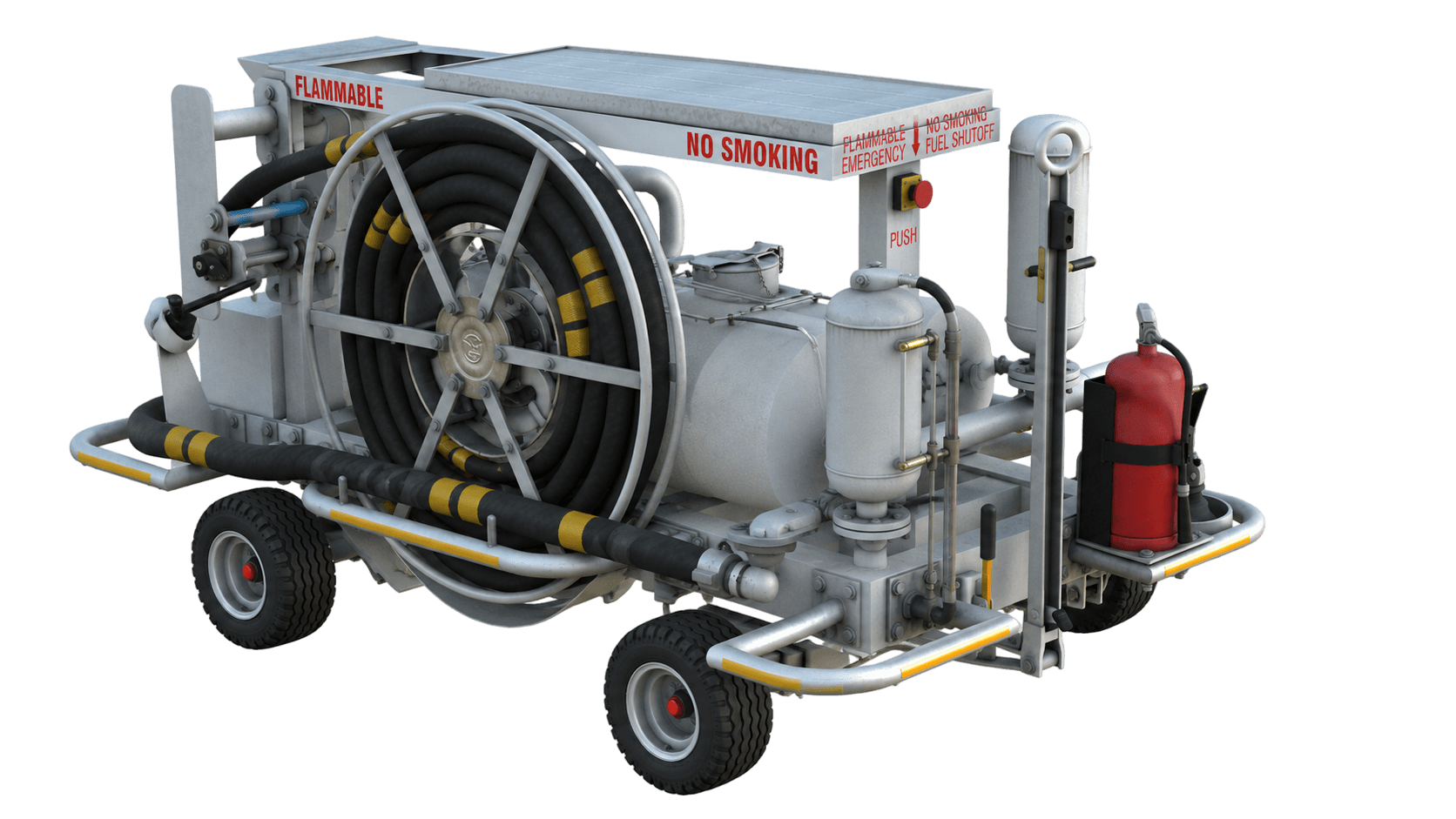
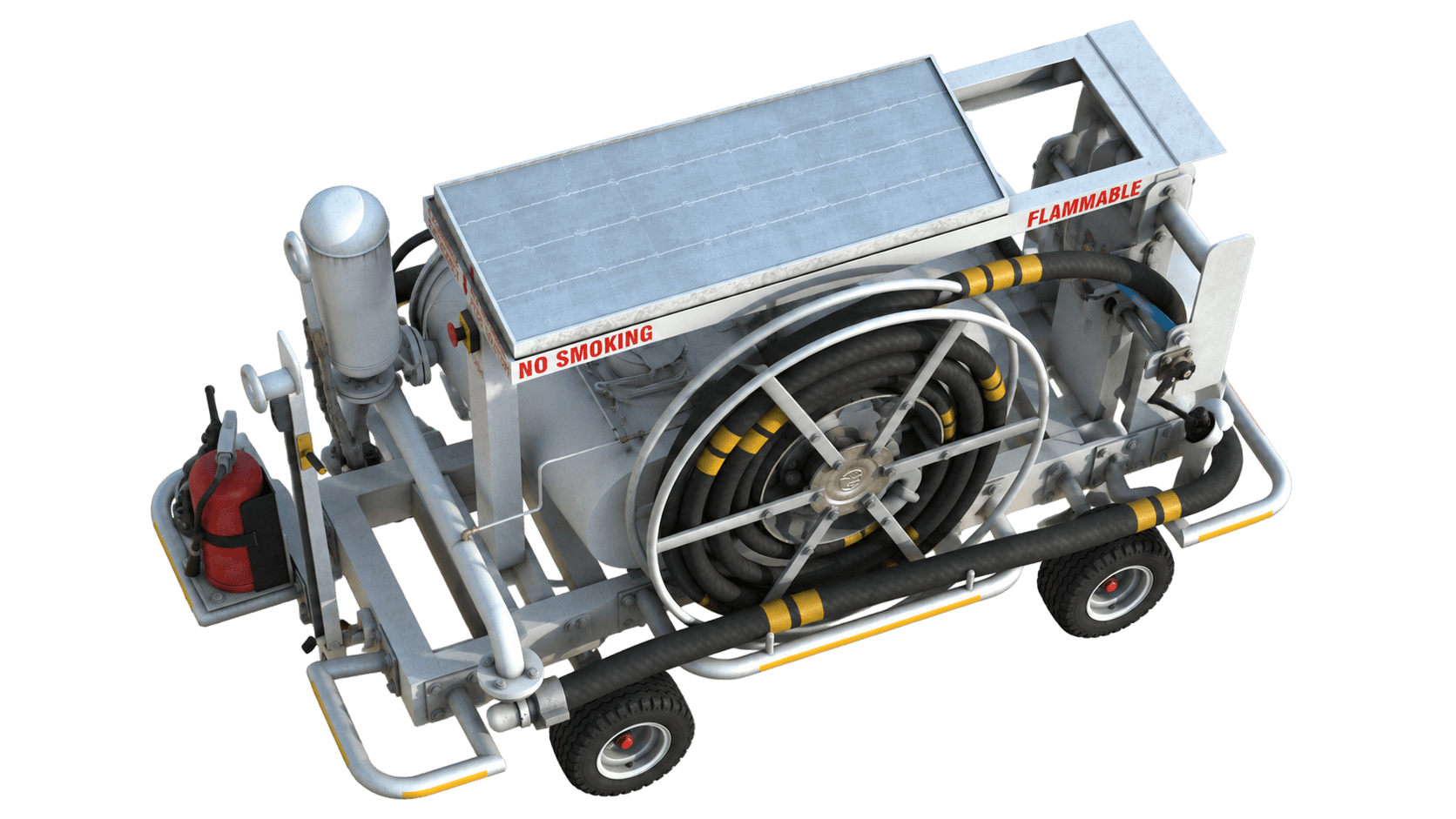
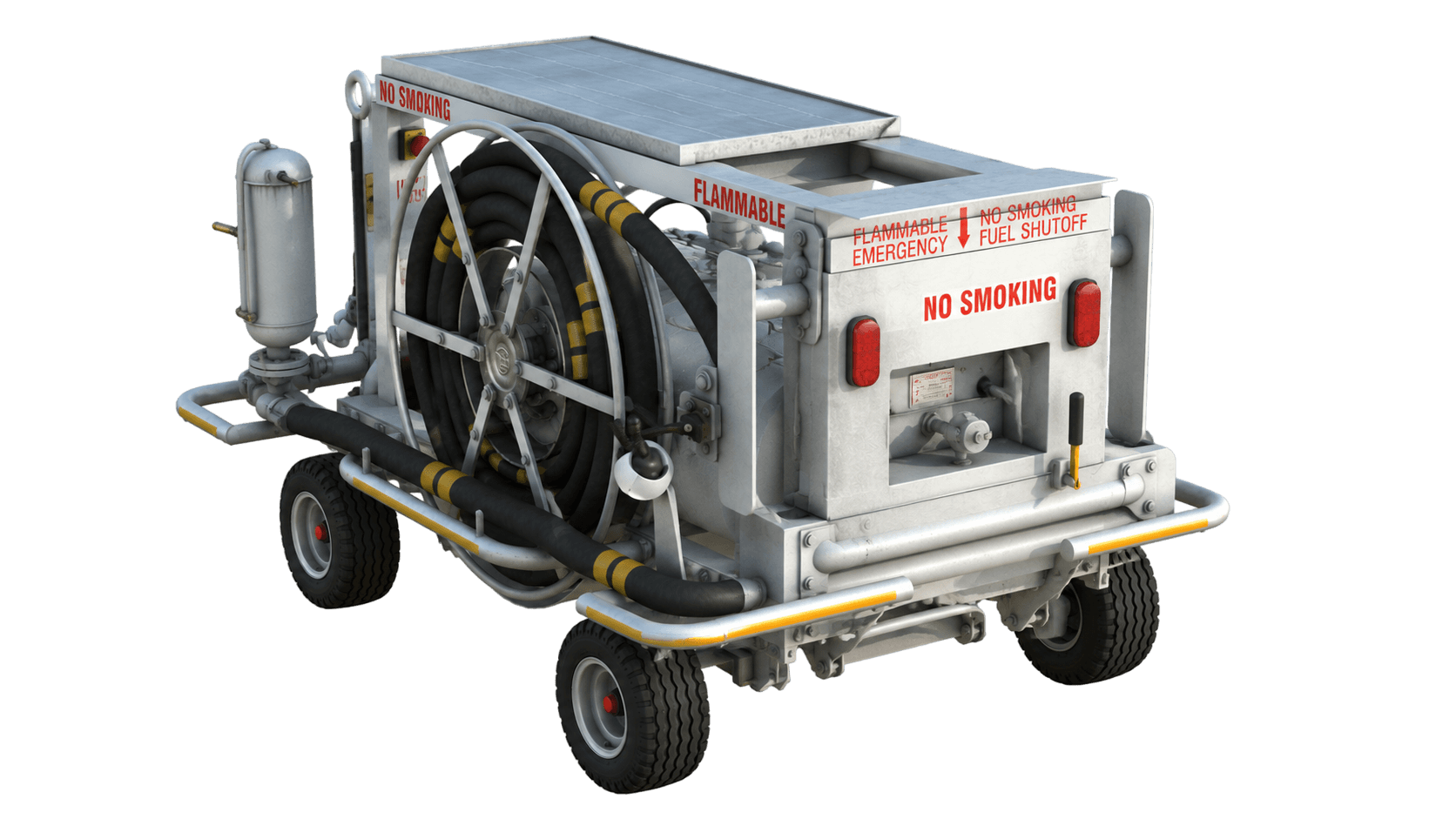
The cart is also outfitted with two underwing platform-deck hoses, which are essential for delivering fuel directly to the aircraft. These hoses are supported by a hydraulic boom, enabling precise positioning and easy maneuverability during the refueling process. The hydraulic boom system not only reduces the physical strain on personnel but also minimizes the risk of damage to the aircraft.

Functional Capabilities

Hydrant carts are built to connect seamlessly with underground hydrant systems, which serve as a reliable and efficient source of aviation fuel at airports. The hydrant system supplies fuel under pressure, eliminating the need for large fuel trucks to navigate the tarmac. This setup reduces congestion and enhances safety on the airport apron.

The primary function of the hydrant cart is to serve as an intermediary between the underground hydrant system and the aircraft. It is equipped with advanced filtration systems to ensure that the fuel delivered to the aircraft is free from contaminants. Additionally, the cart includes meters and gauges to measure the fuel's flow rate and volume, ensuring accurate and precise refueling.

Many hydrant carts are also equipped with automatic shutdown systems that activate in the event of an anomaly, such as a pressure drop or an overflow. These safety features are crucial for preventing accidents and ensuring compliance with industry regulations.

Operational Efficiency

Refueling with a hydrant cart is a streamlined process that minimizes turnaround times for aircraft. The use of a hydrant cart eliminates the need for fuel to be transported in bulk across the airport, which is both time-consuming and labor-intensive. Instead, fuel is drawn directly from the underground hydrant system, reducing the logistical challenges associated with traditional refueling methods.

The elevating platform and hydraulic boom allow refueling personnel to access underwing nozzles with ease, regardless of the aircraft's size or configuration. This adaptability makes hydrant carts an indispensable tool at airports that serve a diverse fleet of aircraft.

Safety Considerations

  • Safety is a paramount concern in the design and operation of hydrant carts. In addition to automatic shutdown systems, many carts are equipped with emergency stop buttons and fail-safe mechanisms to address unexpected issues. The hoses and couplings are designed to prevent leaks and spills, while grounding systems are included to mitigate the risk of static electricity.

Training is another critical component of safe hydrant cart operations. Refueling personnel are thoroughly trained in the proper use of the equipment, including safety protocols and emergency procedures. Regular maintenance and inspections are conducted to ensure that the carts remain in optimal working condition.

Environmental Impact

Hydrant carts contribute to a reduction in the environmental impact of airport operations. By utilizing underground hydrant systems, they reduce the need for fuel trucks, which emit greenhouse gases and contribute to tarmac congestion. Moreover, their advanced filtration systems help minimize the risk of fuel contamination, which can have harmful environmental consequences.

Conclusion

Hydrant carts are an integral part of modern airport operations, providing a safe, efficient, and environmentally friendly solution for aircraft refueling. Their sophisticated design, combined with robust safety features and operational flexibility, ensures that they meet the demands of the aviation industry while supporting efficient airport workflows. As technology continues to advance, hydrant carts are likely to become even more innovative, further enhancing their role in global aviation.

Your Heading

Your custom text Badge